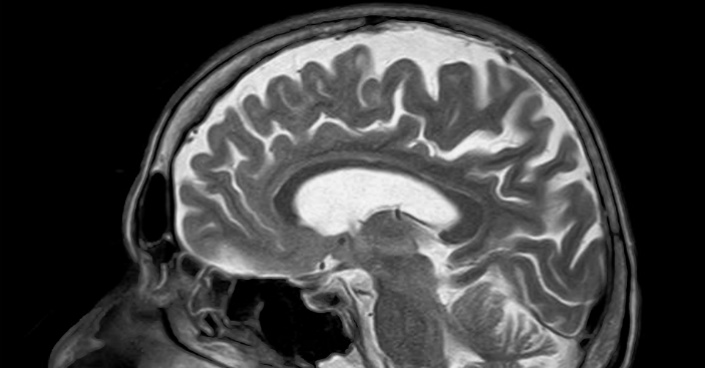
The patient is shuttled from specialist to specialist, receiving diagnosis after diagnosis, none of which appear to do any good. Meanwhile, the patient is losing their faculties, unable to speak, or read, or stand without help. There is always a fateful day, after an MRI or blood test has been interpreted carefully by an expert. It’s a brain tumor. Cancer – and the patient was being misdiagnosed for months or years.
After Misdiagnosis, 78-Year-Old Man Wins Malpractice Lawsuit
This whole process can also happen in reverse. In 2012, ABC News covered the story of Mark Templin, a 78-year-old retiree who had been misdiagnosed with terminal brain cancer. In reality, Templin had suffered a series of strokes. He would survive but, under the impression that he was dying, the man quit his part-time job and paid for his imminent funeral. He cried a lot. He refused cancer therapy and attempted suicide, saying afterward, “I didn’t want my family to go through this.”
When he learned that he had been misdiagnosed, Templin wasn’t set on suing the Fort Harrison VA Medical Center where he received treatment. “I was a veteran,” he told reporters, “and I love those guys up there.” But the doctors at the VA wouldn’t apologize for making their mistake and that “really got [Templin] mad.” He filed a medical malpractice lawsuit, accusing the physicians of failing to perform an MRI, the one test that could have confirmed that he had been having strokes. His claim was successful.
“Negligent Failure To Meet The Standard Of Care”
A federal judge in Montana ruled that Templin and his family’s emotional ordeal had been caused by a VA doctor’s “negligent failure to meet the standard of care.” “It is difficult to put a price tag on the anguish of a man wrongly convinced of his impending death,” wrote District Judge Donald Molloy. “Mr. Templin lived for 148 days […] under the mistaken impression that he was dying of metastatic brain cancer.”
Ultimately, Templin was awarded $59,820 in compensation, including $500 for every day that he suffered “severe mental and emotional distress.” Money, though, wasn’t really the point. In the end, Templin said that he wanted to hold the doctors accountable because he doesn’t “want to see anyone [else] go through this.”
Brain Cancer: Symptoms, Tumor Locations & Diagnosis
Despite the medical community’s focus on this particular set of diseases, cancer remains remarkably difficult to diagnose. That’s a problem, not least because nearly every form of cancer becomes more difficult to treat as time passes. An early diagnosis, in many cases, is the difference between life and death, hope and grief. Brain cancer is no exception. Tumors in the brain can be hard to diagnose and even harder to treat.
Glioblastoma Signs & Misdiagnosis
Glioblastoma, the most common form of brain cancer in adults, is usually extremely aggressive, WebMD reports, spreading at a rapid rate. These tumors create their own supply of blood, which makes them relatively self-sufficient. So a colony of glioblastoma cells, which normally begin in the large brain structure known as the cerebrum, can quickly invade healthy brain tissue.
Of course, tumors can also be benign, as opposed to malignant. Benign tumors don’t invade other parts of the brain, or spread to other body tissues, but they can still create significant problems. Most brain tumors, either benign or malignant, begin to make themselves known through the same set of symptoms:
- Chronic headaches (sometimes misdiagnosed as migraines)
- Seizures (sometimes misdiagnosed as an epilepsy disorder)
- Changes in personality
- Paranoia and / or anxiety
- Vision and speech problems
- Drowsiness and fatigue
- Weakness and / or paralysis
- Nausea and vomiting
But most brain tumors don’t present symptoms at first. The signs only appear, in most cases, after the tumor has grown large enough to apply pressure on the brain.
How Tumor Location Determines Symptoms
Moreover, the symptoms of a brain tumor are, in reality, almost infinite. Consider for a moment that your brain processes signals from every part of your body and transmits electrical impulses to every organ and muscle fiber. A tumor that impinges on a part of the brain will, by necessity, primarily impact cognitive and motor processes controlled by that part of the brain:
- Tumors in the frontal lobe can cause personality changes, loss of smell and weakness in the body
- Tumors in the temporal lobe can cause aphasia, a range of language disorders, seizures or forgetfulness
- Tumors in the parietal lobe can cause aphasia, problems with tasks that require coordination and weakness in the body
- Tumors in the occipital lobe can cause loss of vision, often in one side of the visual field
- Tumors in the cerebellum can cause ataxia, a range of balance disorders, vomiting and nystagmus, a visual disorder in which the eyes make random, repetitive movements
- Tumors in the brain stem can cause double vision, weakness in the face, unsteadiness on one’s feet and trouble speaking
Thus, a patient’s symptoms, according to the United Kingdom’s National Health Service, can serve as a clue to the tumor’s location. Symptoms only get us so far. The only way to conclusively confirm a brain cancer diagnosis is through biopsy, surgically-removing a portion of the suspected malignancy and examining it under a microscope.
Brain Cancer Treatments
While surgical removal of the cancer is often the first option, many tumors can’t be taken out in this way because they impinge on necessary brain structures. Chemotherapy and radiation, including the precisely-targeted Gamma Knife therapy, can help reduce the size of a tumor, but also come with their own extreme side effects.
Many patients refuse, or come close to refusing, treatment simply because the complications of undergoing chemo or radiotherapy are terrifying. Metastatic cases, in which the cancer has spread to other sites in the body, are usually treated using systemic chemotherapy, a uniquely painful experience.
Cancer Effects Can Last Long After Treatment
Even after successful treatment, some brain cancer patients will never be the same. The brain, as we all know, may well be the most important and complex organ in the body. Thus, any treatment targeted at the brain can lead to significant alterations in cognitive ability. Many patients require years of treatment from physical therapists, speech therapists and occupational therapists to re-learn the basic activities that most of us take for granted. Cancer, then, is a very big problem, but it’s only exacerbated by a misdiagnosis.
A misdiagnosed brain tumor can delay life-saving treatments, leaving patients at risk of metastasis. Once the correct diagnosis is rendered, most patients will face a limited selection of treatment options, often more aggressive than those offered to people at early stages of the disease.
Another consequence is that some patients, after being misdiagnosed, will pay thousands of dollars for drugs and therapies designed to cure a disease they don’t actually have. It should come as no surprise that, after learning their correct diagnosis, many people begin to consider filing a medical malpractice lawsuit.
How Medical Malpractice Lawsuits Work
So what, exactly, is medical malpractice? It’s not an incorrect diagnosis. Doctors come to inaccurate conclusions all the time, but it’s not always negligence. Medical malpractice, in legal circles, is characterized as any act or failure to act that falls below the medical standard of care. America’s long history of civil law holds professionals and specialists, including all medical professionals, to a high standard of practice. When medical professionals fall below that standard, leading to patient harm, they have committed medical negligence.
What Is A Standard Of Care?
Defining the appropriate standard of care, however, is the real challenge. We wouldn’t want a physician to treat two different patients in the same way. Nor would we expect an obstetrician to have the same expertise as a neuro-oncologist. Thus, the standard of care changes, taking into account a patient’s particular situation, including pre-existing conditions, and the medical professional’s specialization.
Again, a general practitioner or brain cancer specialist can follow the appropriate standard of care to the letter and still misdiagnose a tumor. But when we address these questions in actual lawsuits, a common question posed is, “what would a reasonable medical professional with similar qualifications have done under the same circumstances?”
In short, we turn to the wider medical community to judge the actions or inactions of a particular defendant. What diagnostic procedures should have been followed? Which diagnostic tests should have been ordered? Which alternative diagnoses should have been considered in light of the available test results?
The Importance Of Expert Medical Witnesses
There is no medical malpractice lawsuit without an expert medical witness. Attorneys work closely with independent medical professionals to understand the facts at issue in a particular case, develop a full picture of the appropriate standard of care and figure out where the plaintiff’s medical team went wrong.
Expert witnesses are also key during trials, testifying on behalf on the plaintiff to explain the standard of care and any violations to a jury. The defense, of course, has its own expert witnesses, who will attempt to prove that, while harm may have occurred, the defendant medical professional’s actions were not negligent.