Common Manufacturing Hazards & Injuries
Factory work is physically demanding, and many workers are exposed to environmental hazards on the job. Even in safe workplaces, employees still suffer injuries. Common reasons we see for Workers' Comp claims include:
Repetitive Motion
Many manufacturing jobs require repetition of the same motions throughout a shift. Over time, this can cause damage to muscles, joints, ligaments, and tissues. These slowly acquired injuries qualify for Workers' Comp, just like sudden injuries.
Musculoskeletal Disorders
Factory workers are often required to engage in heavy lifting on a regular basis. Even when using proper lifting technique, overexertion may occur and result in muscle strains and other musculoskeletal issues.
Harmful Substance Exposure
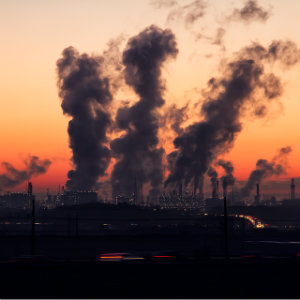
Factories use chemicals both in the manufacturing process and also in equipment maintenance. Exposure to these fumes could cause health complications. Additionally, older factories may contain asbestos, which can cause devastating respiratory illnesses.
Burns
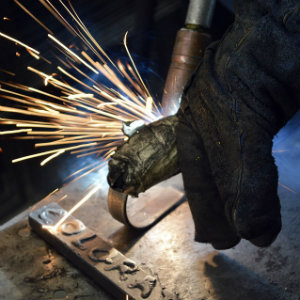
Many workers use hot flames while creating their products. Accidental burns can result in serious long-term injuries. Burn victims will usually be faced with a long recovery process and miss extended periods of work.
Slips and Falls
It's important to keep factory floors free of fall hazards, such as spills and tripping obstructions. Workers who operate from an elevation should be instructing in proper fall prevention methods. A fall onto a hard concrete floor could result in permanently disabling or fatal injuries.
Keeping Workers Safe
Employers can protect their workers and minimize the risk of on-the-job injuries if they follow the Occupational Safety and Health Administration's official safety standards. Factory owners should keep the following checklist in mind:
- Provide protective equipment - OSHA requires employers to provide their workers with protective gear, such as hard hats, eye shields, breathing masks, and gloves.
- Provide safety equipment - Emergency safety measures should be available in case an injury occurs. Examples include fire extinguishers and eye washing stations.
- Regularly evaluate conditions - Employers should regularly inspect their factories for possible hazards which could lead to an injury and make the proper corrections.
- Manage hazardous chemicals - It's important to make sure that hazardous chemicals are properly stored in order to limit the risk of exposure.
- Provide safety training - All employees should be adequately trained not only in how to do their job effectively but also in how to prevent work-related injuries.
Compensation Outside of Workers' Comp
For severely injured employees, Workers' Compensation may be insufficient. Permanently disabled workers should consider filing a claim for Social Security Disability Insurance. Keep in mind that these benefits are not always easy to receive. In 2016, about 68% of applicants were rejected on their first application.
Employees who have suffered injuries due to a third party's negligence may be eligible to file a personal injury claim. For example, if defective machinery caused your injuries, you may be eligible to sue the manufacturer for damages outside of Workers' Comp. You would still receive your WC benefits, but the personal injury claim could provide compensation for noneconomic damages like pain and suffering.
It's understandable if you're unsure which compensation route best applies to your situation. This is where having an experienced work injury attorney by your side comes in handy. He or she can help to determine which type of compensation to pursue, increase your chances of an accepted claim, and guide you through the appeals process if you've already had a claim denied.
At The Disability Guys Pennsylvania, our attorneys are prepared to evaluate the specific circumstances of your case and determine the best way to earn the full compensation you deserve. We will gladly evaluate your claim for free, and you don't have to worry about payment unless we win for you.
Further Reading